


As a supplier of motorcycle battery chargers, I've encountered numerous customers facing issues with their chargers not functioning correctly. Recognizing the signs of improper charging is crucial for maintaining the health of your motorcycle battery and ensuring its longevity. In this blog, I'll share some common indicators that your motorcycle battery charger might not be charging properly.
1. No Indicator Lights
One of the most obvious signs that something is amiss with your charger is the absence of indicator lights. Most modern motorcycle battery chargers come equipped with LED lights that show the charging status. If these lights don't turn on when you plug in the charger, it could mean several things.
First, check if the charger is properly plugged into a working electrical outlet. Sometimes, a loose connection can prevent the charger from receiving power. If the outlet is working fine, the problem might lie within the charger itself. A blown fuse, a damaged power cord, or a malfunctioning circuit board could all be the culprits.
If you're using a 12 Volt Motorcycle Battery Charger, and the indicator lights don't illuminate, it's advisable to contact the manufacturer or a professional technician for further diagnosis.
2. Overheating
Overheating is another red flag that your charger might not be working correctly. Chargers are designed to generate some heat during the charging process, but excessive heat can indicate a problem. If the charger becomes too hot to touch after a short period of use, it could be due to a variety of issues.
One possible cause is a short circuit within the charger. A short circuit can cause an abnormal flow of electricity, leading to overheating. Another reason could be a faulty cooling system. Chargers are equipped with fans or heat sinks to dissipate heat, and if these components fail, the charger can overheat.
Overheating not only affects the charger's performance but can also pose a safety hazard. It's important to stop using the charger immediately if you notice excessive heat and have it inspected by a professional.
3. Slow Charging
If your motorcycle battery is taking an unusually long time to charge, it could be a sign that the charger is not functioning properly. Several factors can contribute to slow charging.
One common cause is a low-quality charger. Chargers with a low amperage output will take longer to charge the battery. Additionally, a damaged charger or a battery with a high internal resistance can also slow down the charging process.
To determine if the charger is the problem, you can try using a different charger on the same battery. If the battery charges faster with the new charger, then the original charger is likely the culprit.
4. Inconsistent Charging
Inconsistent charging is another sign that your charger might be malfunctioning. This can manifest in several ways, such as the charger turning on and off intermittently or the battery not reaching a full charge.
One possible cause of inconsistent charging is a loose connection between the charger and the battery. Make sure the charger's clips are securely attached to the battery terminals. If the connection is loose, it can cause the charger to lose contact with the battery, resulting in inconsistent charging.
Another cause could be a problem with the charger's voltage regulation. Chargers are designed to maintain a constant voltage during the charging process, and if the voltage fluctuates, it can lead to inconsistent charging.
5. Battery Not Holding a Charge
If your motorcycle battery doesn't hold a charge after being charged, it could be due to a faulty charger. A charger that doesn't charge the battery to its full capacity can leave the battery undercharged, which can lead to a shorter lifespan.
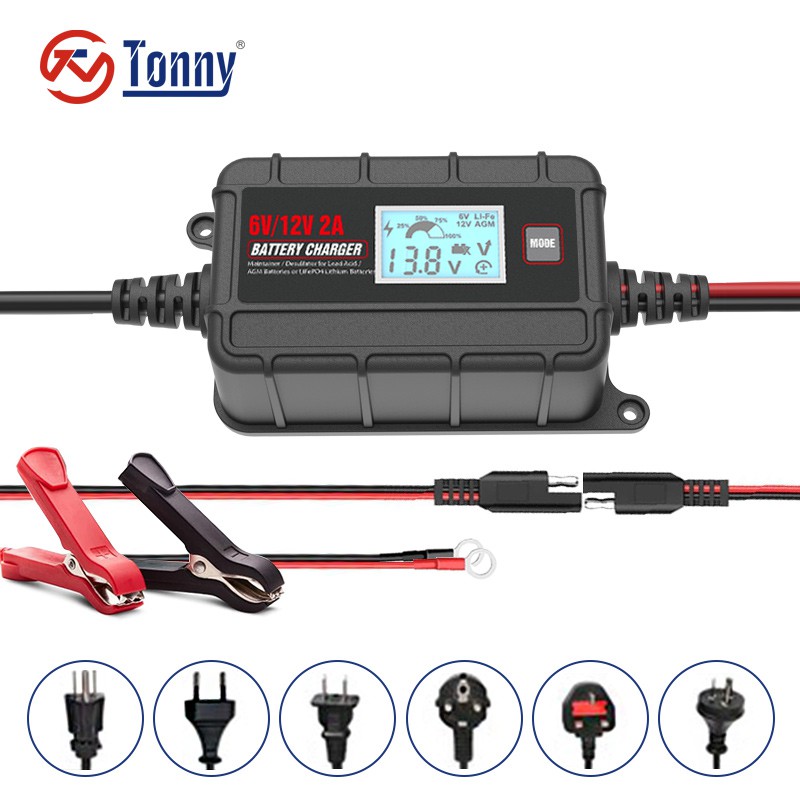

Additionally, a charger that overcharges the battery can also cause damage. Overcharging can lead to the battery overheating, which can damage the internal components and reduce its capacity.
To determine if the charger is the problem, you can test the battery's voltage using a multimeter. If the battery's voltage is significantly lower than it should be after being charged, then the charger might not be working properly.
6. Strange Noises
If your charger makes strange noises during the charging process, it could be a sign of a problem. Grinding, buzzing, or clicking sounds can indicate a mechanical or electrical issue within the charger.
A grinding noise could be caused by a loose or damaged fan. A buzzing sound could be due to a short circuit or a problem with the transformer. Clicking sounds could indicate a problem with the charger's relay or switch.
If you hear any strange noises coming from your charger, it's important to stop using it immediately and have it inspected by a professional.
7. Error Messages
Some modern motorcycle battery chargers come equipped with error message displays. If your charger shows an error message, it's a clear indication that something is wrong.
Error messages can indicate a variety of issues, such as a short circuit, a low battery voltage, or a problem with the charger's internal components. Refer to the charger's user manual to determine the meaning of the error message and take the appropriate action.
Conclusion
Recognizing the signs that your motorcycle battery charger is not charging properly is essential for maintaining the health of your battery and ensuring its longevity. If you notice any of the signs mentioned above, it's important to take action immediately.
As a supplier of motorcycle battery chargers, we understand the importance of providing high-quality products that meet the needs of our customers. If you're experiencing issues with your charger, we're here to help. Contact us to discuss your options and find the right charger for your motorcycle.
References
- Motorcycle Battery Charger User Manuals
- Electrical Engineering Textbooks on Battery Charging Systems