


Ensuring the Safety of Using a Motorcycle Battery Charger
As a supplier of motorcycle battery chargers, I understand the importance of safety when it comes to using these devices. A motorcycle battery charger is a powerful tool that, if not used correctly, can pose significant risks, including electrical shock, fire, and damage to the battery or the motorcycle itself. In this blog post, I will share some essential tips on how to ensure the safety of using a motorcycle battery charger.
Understanding the Basics of Motorcycle Battery Chargers
Before we delve into safety tips, it's crucial to understand the basics of motorcycle battery chargers. Most motorcycle batteries are 12-volt lead-acid batteries, and the chargers are designed to provide a specific voltage and current to recharge these batteries. The 12 Volt Motorcycle Battery Charger is a common type of charger used for motorcycles.
There are different types of motorcycle battery chargers, including trickle chargers, smart chargers, and fast chargers. Trickle chargers provide a low, constant current to the battery over an extended period, which is suitable for maintaining the battery's charge. Smart chargers, on the other hand, can automatically adjust the charging current and voltage based on the battery's condition, ensuring a safe and efficient charge. Fast chargers can quickly charge the battery but require careful monitoring to prevent overcharging.
Pre - Use Safety Checks
Inspect the Charger
Before using the motorcycle battery charger, carefully inspect it for any signs of damage, such as frayed wires, broken plugs, or cracked casings. A damaged charger can be extremely dangerous and should not be used. If you notice any damage, do not attempt to repair the charger yourself. Instead, contact a professional or replace the charger.
Check the Battery
Inspect the motorcycle battery for any visible signs of damage, such as cracks, leaks, or bulges. A damaged battery can be a fire hazard and may not charge properly. If the battery is damaged, it should be replaced before attempting to charge it. Also, make sure the battery terminals are clean and free of corrosion. Corroded terminals can prevent a proper connection and may cause the charger to malfunction.
Read the Manual
Always read the user manual that comes with the charger. The manual contains important information about the charger's specifications, safety instructions, and proper usage. Different chargers may have different requirements and features, so it's essential to understand how to operate your specific charger safely.
Safe Charging Procedures
Choose a Suitable Location
Select a well - ventilated and dry location to charge the motorcycle battery. Charging a battery can produce hydrogen gas, which is highly flammable. A well - ventilated area helps to disperse this gas and reduces the risk of explosion. Avoid charging the battery near open flames, sparks, or heat sources.
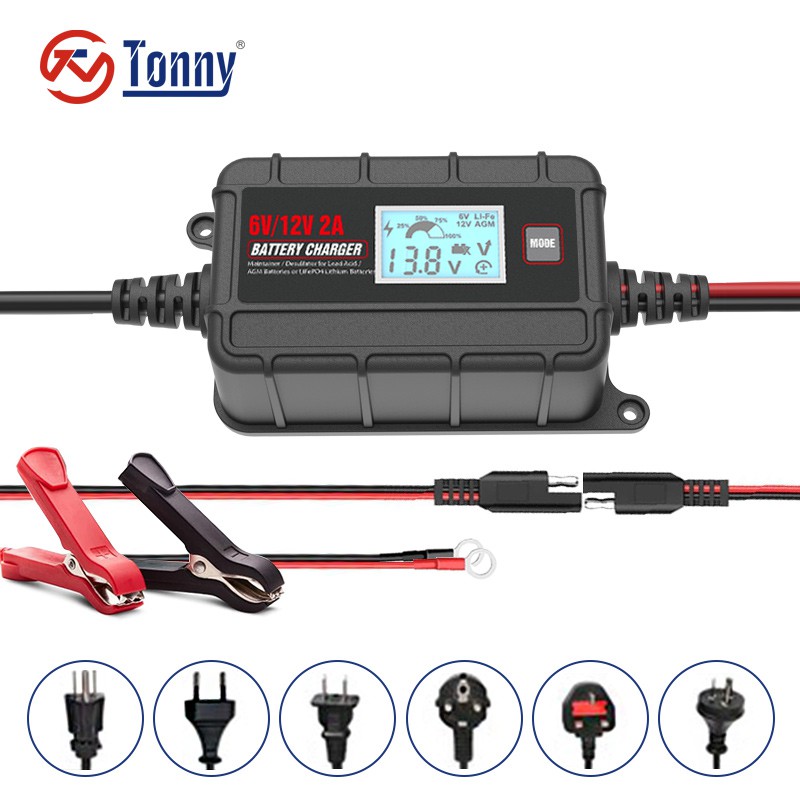

Connect the Charger Correctly
When connecting the charger to the battery, make sure to connect the positive (+) and negative (-) terminals correctly. The positive terminal of the charger should be connected to the positive terminal of the battery, and the negative terminal of the charger should be connected to the negative terminal of the battery. Reversing the connections can damage the battery and the charger and may cause a short circuit.
Set the Correct Charging Parameters
If your charger allows you to adjust the charging voltage and current, make sure to set the correct parameters for your motorcycle battery. Using the wrong settings can lead to overcharging or undercharging, both of which can damage the battery. Refer to the battery's specifications and the charger's manual to determine the appropriate settings.
Monitor the Charging Process
Do not leave the charger unattended while it is charging the battery. Regularly check the charger and the battery for any signs of overheating, smoking, or unusual noises. If you notice any of these signs, immediately disconnect the charger from the battery and the power source.
Post - Use Safety Measures
Disconnect the Charger Properly
Once the battery is fully charged, disconnect the charger from the battery first, then from the power source. This helps to prevent any electrical arcing that could occur if the charger is disconnected from the power source while still connected to the battery.
Store the Charger Safely
After use, store the charger in a dry and cool place. Keep it away from moisture, dust, and direct sunlight. If the charger has a cord, make sure to coil it neatly to prevent damage.
Training and Education
As a supplier, I also recommend providing training and education to customers on the safe use of motorcycle battery chargers. This can include in - store demonstrations, online tutorials, or printed safety guides. By educating customers, we can help them understand the potential risks and how to use the chargers safely.
Conclusion
Ensuring the safety of using a motorcycle battery charger is of utmost importance. By following these safety tips, including pre - use checks, safe charging procedures, post - use measures, and providing proper training, we can minimize the risks associated with using these chargers. As a motorcycle battery charger supplier, I am committed to providing high - quality products and promoting safety among our customers.
If you are interested in purchasing a motorcycle battery charger, or if you have any questions about the safety of using these devices, please feel free to contact us for more information. We are here to help you find the right charger for your needs and ensure that you use it safely.
References
- General knowledge about motorcycle battery chargers from industry experience and product research.
- User manuals and technical specifications of various motorcycle battery chargers.