


Can an automotive battery charger be used on a deep - cycle battery?
As a supplier of automotive battery chargers, this is a question I'm frequently asked. To provide a comprehensive answer, we first need to understand the fundamental differences between automotive batteries and deep - cycle batteries, and then analyze whether an automotive battery charger can be used for deep - cycle batteries.
Understanding Automotive Batteries and Deep - Cycle Batteries
Automotive batteries, also known as starting batteries, are designed primarily to deliver a large amount of current in a short period to start the engine. They are optimized for high - current, short - duration discharges. For example, when you turn the key in your car ignition, the automotive battery provides a powerful jolt of electricity to crank the engine. These batteries typically have a large number of thin plates to maximize the surface area for rapid chemical reactions and high - current output.
On the other hand, deep - cycle batteries are built to provide a steady amount of power over a long period. They are commonly used in applications such as RVs, boats, and solar power systems. Deep - cycle batteries can withstand repeated deep discharges (up to 80% or more of their capacity) without significant damage. They have thicker plates compared to automotive batteries, which allows them to endure the stress of deep discharges and recharges better.
Characteristics of Automotive Battery Chargers
Automotive battery chargers are engineered to meet the charging requirements of starting batteries. They are generally designed to quickly replenish the charge in a starting battery after it has been used to start the engine. These chargers often have a high - current charging mode to rapidly bring the battery up to a sufficient charge level. For instance, a standard automotive battery charger might be able to deliver a high - current charge of 20 - 40 amps initially to quickly boost the battery's voltage.
Most automotive battery chargers also have a maintenance or float mode. Once the battery reaches a certain charge level, the charger switches to this mode to keep the battery fully charged without overcharging it. However, the charging algorithms and voltage settings in automotive battery chargers are calibrated for the specific chemistry and characteristics of starting batteries.
Can an Automotive Battery Charger Charge a Deep - Cycle Battery?
The short answer is: it depends. In some cases, an automotive battery charger can be used to charge a deep - cycle battery, but it may not be the most ideal solution.
If the deep - cycle battery has a similar voltage rating (e.g., 12V) to the automotive battery that the charger is designed for, and the charger has adjustable charging parameters, it might be possible to use the charger. For example, if the charger allows you to adjust the charging current and voltage, you can set it to a lower current to charge the deep - cycle battery more slowly. This is important because deep - cycle batteries prefer a slow and steady charge to avoid overheating and damage.
However, there are several potential issues when using an automotive battery charger on a deep - cycle battery. Firstly, automotive battery chargers are usually optimized for fast charging, which can be too aggressive for deep - cycle batteries. Fast charging can cause the battery to heat up, leading to accelerated plate corrosion and reduced battery life. Secondly, the charging algorithms in automotive battery chargers may not be suitable for deep - cycle batteries. Deep - cycle batteries often require a different charging profile, including a longer equalization charge to balance the cells within the battery.
Advantages and Disadvantages of Using an Automotive Battery Charger on a Deep - Cycle Battery
Advantages
- Availability: Automotive battery chargers are widely available. If you already have an automotive battery charger on hand, you can use it in an emergency to charge your deep - cycle battery.
- Cost - effective in the short term: Buying a separate charger for your deep - cycle battery can be an additional expense. Using an existing automotive battery charger can save you money in the short run.
Disadvantages
- Reduced Battery Life: As mentioned earlier, the fast - charging nature of automotive battery chargers can cause premature aging of deep - cycle batteries. Over time, this can lead to a significant reduction in the battery's capacity and overall lifespan.
- Incomplete Charging: Automotive battery chargers may not fully charge a deep - cycle battery, especially if they do not have the appropriate charging algorithms. This can result in a lower state of charge in the battery, which can affect its performance in long - term use.
Alternatives to Using an Automotive Battery Charger
If you want to ensure the best performance and longevity of your deep - cycle battery, it is recommended to use a charger specifically designed for deep - cycle batteries. These chargers have charging profiles that are tailored to the unique needs of deep - cycle batteries.
For example, our company offers a range of chargers that are suitable for different types of batteries. The 12V/24V 20A Smart Battery Charger is a versatile charger that can be used for both automotive and deep - cycle batteries. It has adjustable charging parameters, allowing you to customize the charging process according to the battery's requirements.

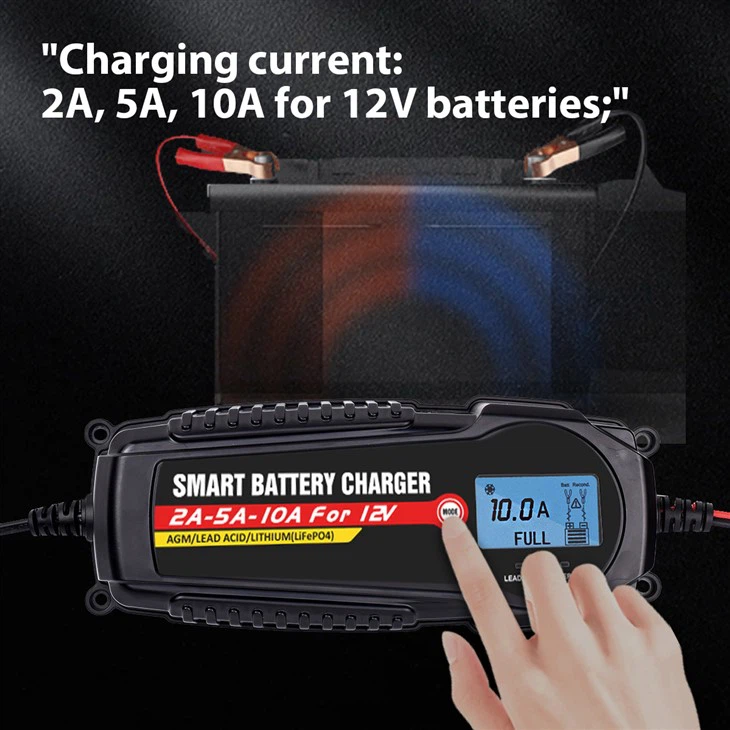
Another option is the 14.6V Lifepo4 Battery Charger, which is specifically designed for lithium iron phosphate (LiFePO4) deep - cycle batteries. This charger provides a precise charging voltage and current to ensure the safe and efficient charging of LiFePO4 batteries.
If you need a charger that can also act as a booster, our Car Battery Charger Booster is a great choice. It can quickly charge your battery and also provide a jump - start if needed.
Conclusion
While an automotive battery charger can sometimes be used to charge a deep - cycle battery, it is not the best option in most cases. The differences in the battery types and their charging requirements mean that using an automotive battery charger on a deep - cycle battery may lead to reduced battery life and performance. To get the most out of your deep - cycle battery, it is advisable to invest in a charger that is specifically designed for deep - cycle batteries.
If you are interested in our range of battery chargers or have any questions about charging different types of batteries, please feel free to contact us for more information and to discuss your procurement needs. We are here to help you find the best charging solution for your specific requirements.
References
- Battery University: A comprehensive resource for battery knowledge, including information on different battery chemistries and charging methods.
- Marine and RV battery manufacturers' guidelines: These provide detailed information on the charging requirements of deep - cycle batteries used in marine and RV applications.